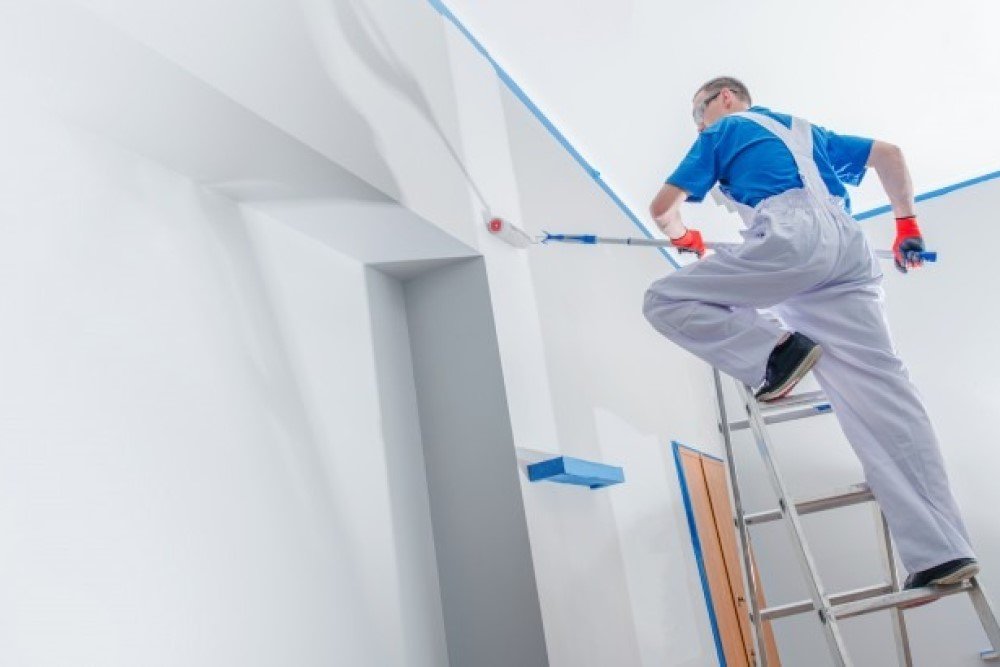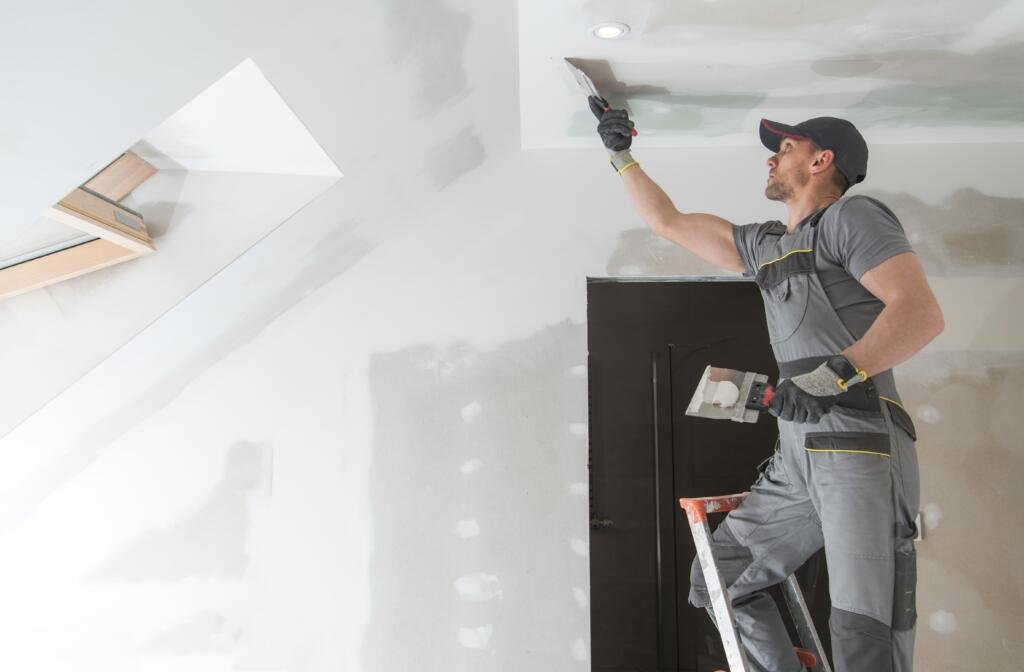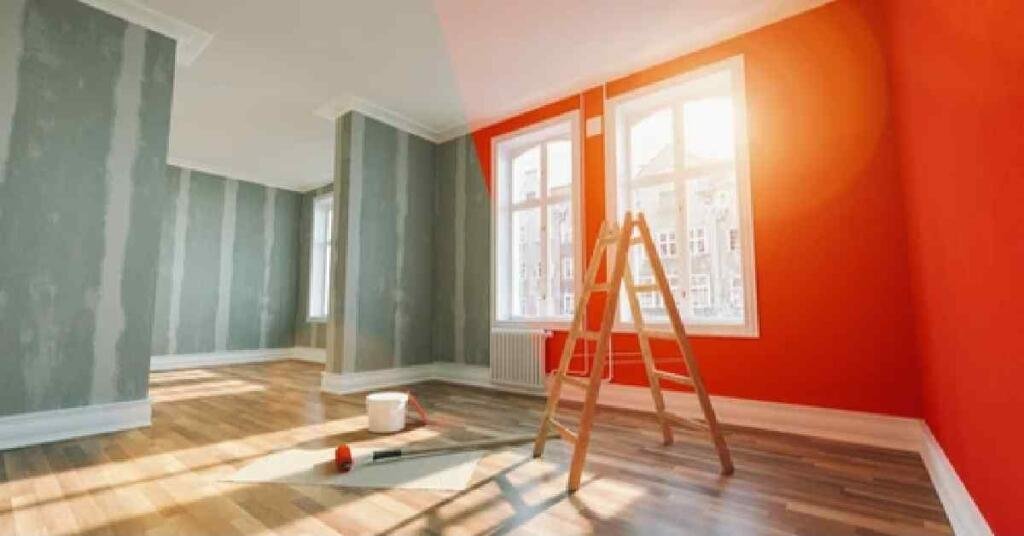
Dreaming of a fresh coat of paint to revitalize your Dubai home? The allure of a vibrant new color or a crisp, clean finish is undeniable. However, before you dip that brush, it’s essential to understand the local regulations and approvals required for painting projects in this dynamic city. Navigating these guidelines ensures a smooth process, helps you avoid potential fines, and guarantees your home improvements align with Dubai’s standards.
This guide will walk you through everything you need to know, from determining if a permit is necessary to understanding the application process and crucial considerations for a successful painting endeavor.
Do You Need a Permit? Understanding the Basics
The question of whether you need a permit for your painting project in Dubai largely depends on the scope and location of the work.
Generally, exterior painting or significant structural maintenance that involves the building’s façade, particularly for villas, almost always requires a permit. These permits are typically issued by the Dubai Development Authority (DDA) or Dubai Municipality (DM), depending on the specific master developer or area your property falls under. The purpose of these regulations is to maintain the aesthetic harmony of the city and ensure the structural integrity and safety of buildings.
For internal painting within an apartment or villa, a permit from DM or DDA is usually not required, provided the work does not involve any structural changes to the property. This means you generally have more freedom with interior aesthetics.
However, a critical layer of approval often comes from your community management. Whether you own a villa or an apartment, most communities in Dubai (e.g., Emaar, Nakheel) have specific guidelines and require a No Objection Certificate (NOC) for any external work, and sometimes even for significant internal alterations like changing the layout or façade colors. This NOC is often a prerequisite before you can even apply for a government permit. Always check with your community management first – it’s a crucial initial step.
If you are a tenant, RERA regulations play a role. Landlords are typically responsible for major maintenance, including painting due to normal wear and tear. However, if you, as a tenant, plan to change the color of the interior walls significantly or have caused damage that necessitates repainting, you might be responsible. It’s always advisable to have a clear discussion and written agreement with your landlord before undertaking any painting work to avoid disputes over security deposits.
The “Maintenance Permit” – When and How to Apply
The primary permit you might encounter for exterior painting or minor external upkeep is often referred to as a “Maintenance Permit.” This permit ensures that all activities comply with Dubai’s regulatory requirements for safety, aesthetics, and community standards.
Who Needs It?
This permit is primarily for external painting and minor upkeep that impacts the building’s exterior or structure. For instance, repainting the exterior walls of your villa or even significant repairs that necessitate scaffolding could fall under this category.
Purpose of the Permit:
The permit ensures that all maintenance activities adhere to Dubai’s stringent standards, preserving the architectural integrity and visual appeal of neighborhoods while also safeguarding residents.
Application Process (Step-by-Step):
- Online Portal: The DDA’s Zoning e-Services portal is a primary channel for applying for a Maintenance Permit. Dubai Municipality also has online platforms for various building permits.
- Required Documents: While specific requirements can vary, common documents include:
- A formal letter of appointment for the contractor (if applicable – often required for permitted works).
- Photographs of the building’s current status.
- A detailed method statement or scope of work outlining the painting project.
- Proof of property ownership (title deed) or Ejari certificate (for tenants).
- Copies of the owner’s/tenant’s passport and Emirates ID.
- Crucially, a Community NOC from your building or community management. This is often the first document you’ll need to secure before approaching DM or DDA.
- Service Steps:
- Log in or register on the relevant online portal (DDA or DM).
- Navigate to the “Maintenance Permit” option under Building Modification or similar categories.
- Complete the online application form with accurate details.
- Upload all required supporting documents.
- Apply.
- Pay the applicable fees.
- You will receive an acknowledgment and, if necessary, feedback or requests for additional information.
- Fees: Fees for a Maintenance Permit can vary but typically involve an application fee (e.g., AED 1,500 for a new DDA Maintenance Permit), plus knowledge and innovation dirham fees. Renewal fees are generally lower.
- Validity: An approved Maintenance Permit is usually valid for one year.
- Processing Time: The estimated time to process a new Maintenance Permit application is often around 5 working days, assuming all documentation is correct and complete.
Important Considerations Before You Paint
Beyond the permits, several factors contribute to a successful and compliant painting project in Dubai:
- Choosing the Right Contractor: For any external work, it is highly recommended, and often mandatory for permitted projects, to engage a licensed and pre-qualified contractor by Dubai Municipality. These contractors understand local regulations, safety standards, and climate considerations. A reputable service provider, like 2Painter Painting Services, is well-versed in Dubai’s specific requirements, from permit applications to selecting suitable materials for the local climate. Their experience ensures that the work is not only aesthetically pleasing but also durable and compliant.
- Paint Selection and Specifications:
- Exterior Colors: This is a crucial point for villas and building exteriors. Many communities in Dubai have approved color palettes for exterior painting to maintain a consistent aesthetic. Deviating from these can lead to fines or demands to repaint. Always confirm the permissible color schemes with your community management.
- Quality of Paint: Dubai’s climate – intense heat, high humidity, and occasional sandstorms – demands high-quality, durable paints. Look for UV-resistant, anti-fungal, and heat-resistant formulations. Licensed contractors typically recommend and use paints that adhere to Dubai Municipality standards.
- Indoor vs. Outdoor: Understand the distinct differences between interior and exterior paints and their specific applications.
- Tenant-Specific Guidelines: If you are a tenant, thoroughly review your tenancy contract for any clauses related to painting or maintenance responsibilities. While RERA generally places the burden of normal wear-and-tear painting on landlords, any significant alteration or damage caused by the tenant might shift this responsibility. Open communication with your landlord is key.
- Safety and Ventilation: Ensure proper ventilation during painting, especially for interior projects, to mitigate fumes. Opt for low-VOC (Volatile Organic Compound) paints for better indoor air quality.
Potential Consequences of Non-Compliance
Ignoring Dubai’s painting regulations can lead to significant repercussions:
- Fines and Penalties: Unauthorized exterior work can result in substantial fines from Dubai Municipality or your community management.
- Stop Work Orders: Inspectors have the authority to issue stop-work orders, halting your project until proper permits are obtained, leading to delays and increased costs.
- Loss of Security Deposit (for Tenants): If you make unauthorized changes to a rental property, your landlord may deduct repainting costs from your security deposit.
- Inability to Sell/Transfer Property: For homeowners, unpermitted external modifications can create legal hurdles when attempting to sell or transfer your property, as these issues must often be resolved before a transaction can proceed.
- Damage to Property/Community: Unapproved work may not meet safety standards, potentially compromising the building’s integrity or negatively impacting the overall aesthetic harmony of the community.
Conclusion
Embarking on a painting project in Dubai, whether to refresh your interiors or transform your home’s exterior, is an exciting prospect. However, a little foresight and understanding of the local regulations can save you time, money, and potential headaches. By ensuring you have the necessary permits, securing NOCs from your community management, and engaging experienced professionals who understand Dubai’s unique requirements, you can ensure your project is not only beautiful but also fully compliant.
For those seeking to navigate these requirements with ease and ensure a quality finish, companies with a strong understanding of local processes, like 2Painter Painting Services, are invaluable partners. They bring expertise in adhering to Dubai’s specific building codes and aesthetic guidelines, ensuring your painting project is completed to the highest standards.
Before you pick up that roller, consult your community management and check the DDA or Dubai Municipality websites for the latest regulations. Approach your painting project confidently, knowing you’ve done your due diligence.