Preparing walls for painting in Dubai requires special attention due to the city’s unique climate and environmental conditions. Whether you’re a homeowner or a professional painter, understanding the intricate process of wall preparation is crucial for achieving a stunning and long-lasting paint finish.
Why Proper Wall Preparation Matters in Dubai
Dubai’s extreme temperatures and high humidity levels pose unique challenges for painting projects. Proper wall preparation ensures:
- Enhanced paint adhesion
- Protection against moisture and heat damage
- Longer-lasting paint finish
- Prevention of premature paint deterioration
Understanding Dubai’s Painting Challenges
Climate-Specific Considerations
| Climate Factor | Impact on Wall Preparation | Mitigation Strategy |
|---|---|---|
| High Temperature | Rapid paint drying | Choose appropriate timing and paint |
| High Humidity | Moisture retention | Use moisture-resistant primers |
| Sand and Dust | Surface contamination | Thorough cleaning and protection |
Step-by-Step Wall Preparation Guide
Initial Assessment and Cleaning
Surface Inspection
Before beginning your painting project, conduct a thorough wall inspection:
- Check for cracks and structural damage
- Identify areas of moisture or previous paint issues
- Assess wall material (concrete, gypsum, existing painted surface)
Cleaning Techniques
- Remove dust and debris using a soft brush or vacuum
- Wash walls with a mild detergent solution
- Rinse thoroughly and allow complete drying
- Use dehumidifiers to ensure optimal drying conditions
Repair and Smoothing
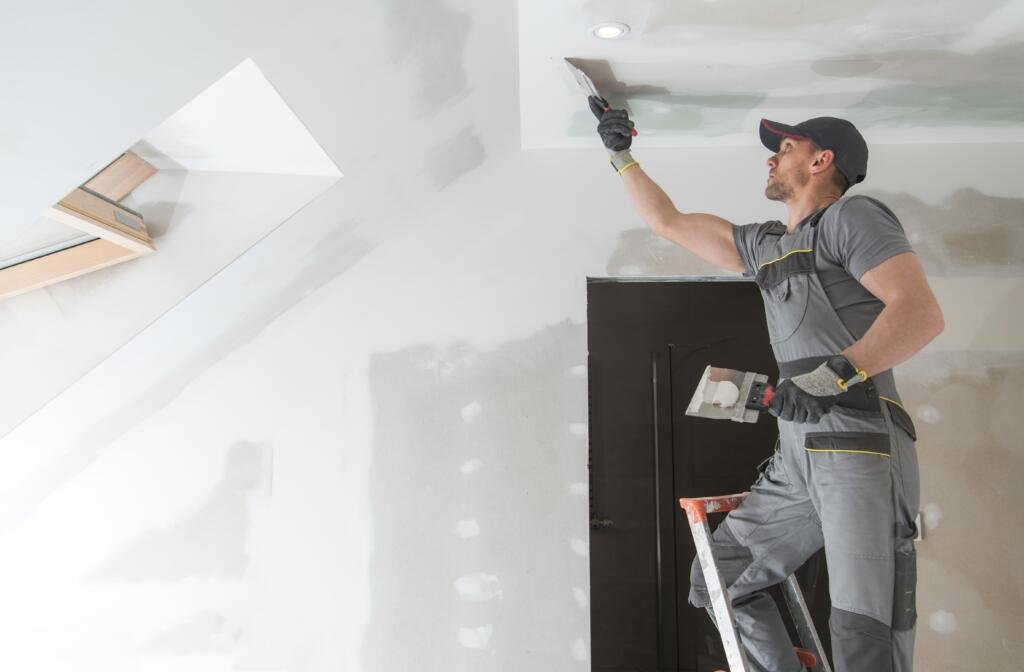
Crack and Hole Repair
- Use high-quality filler appropriate for Dubai’s climate
- Apply spackling compound for small imperfections
- Use cement-based fillers for concrete walls
- Sand-repaired areas for a smooth finish
Surface Smoothing
- Use fine-grit sandpaper (120-150 grit)
- Create a uniform surface texture
- Remove loose paint or rough patches
- Wear a protective mask to avoid dust inhalation
Priming for Dubai’s Environment
Primer Selection
- Choose primers with moisture-resistant properties
- Select products specifically designed for hot climates
- Use alkali-resistant primers for concrete surfaces
- Consider anti-fungal primers to prevent mold growth
Primer Application Techniques
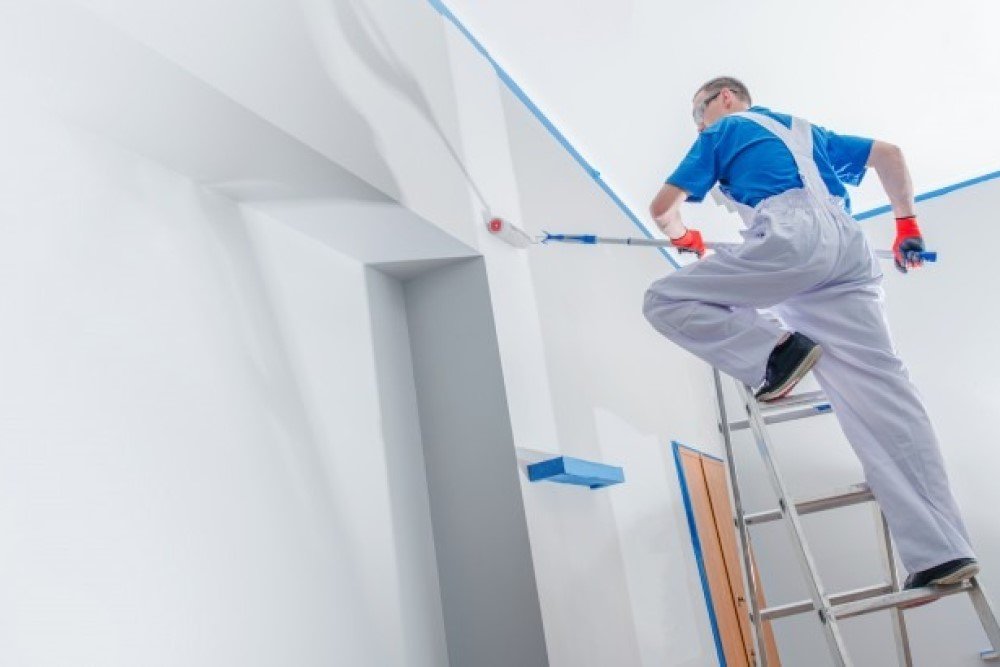
- Apply thin, even coats
- Use rollers or sprayers for consistent coverage
- Allow adequate drying time between coats
- Ensure proper ventilation during the application
Professional Tips for Dubai Painting Projects
Timing and Temperature Considerations
- Avoid painting during peak summer heat
- Optimal painting times: early morning or late afternoon
- Maintain room temperature between 10-35°C
- Use air conditioning to control the environment
Material Selection
- Choose paints with UV resistance
- Select water-based paints for better performance
- Consider thermal insulation properties
- Look for brands tested in Middle Eastern climates
Common Mistakes to Avoid
- Skipping thorough cleaning
- Neglecting surface repairs
- Using incorrect primers
- Painting during extreme temperatures
- Ignoring humidity levels
FAQ: Wall Preparation in Dubai
Q1: How long should I wait between cleaning and painting?
A: Allow at least 24-48 hours for complete drying, depending on humidity levels.
Q2: Can I paint during summer in Dubai?
A: It’s possible with proper precautions, but early morning or late afternoon is recommended.
Q3: How often should walls be repainted in Dubai?
A: Typically every 3-5 years, depending on exposure and paint quality.
Conclusion
Preparing walls for painting in Dubai requires meticulous attention to detail and an understanding of local environmental challenges. By following these comprehensive steps, you’ll ensure a professional-looking, durable paint finish that withstands the city’s demanding climate.
Pro Tip: When in doubt, consult local painting professionals who understand Dubai’s unique requirements.
Disclaimer: Always test products and techniques on a small area first and follow manufacturer guidelines.