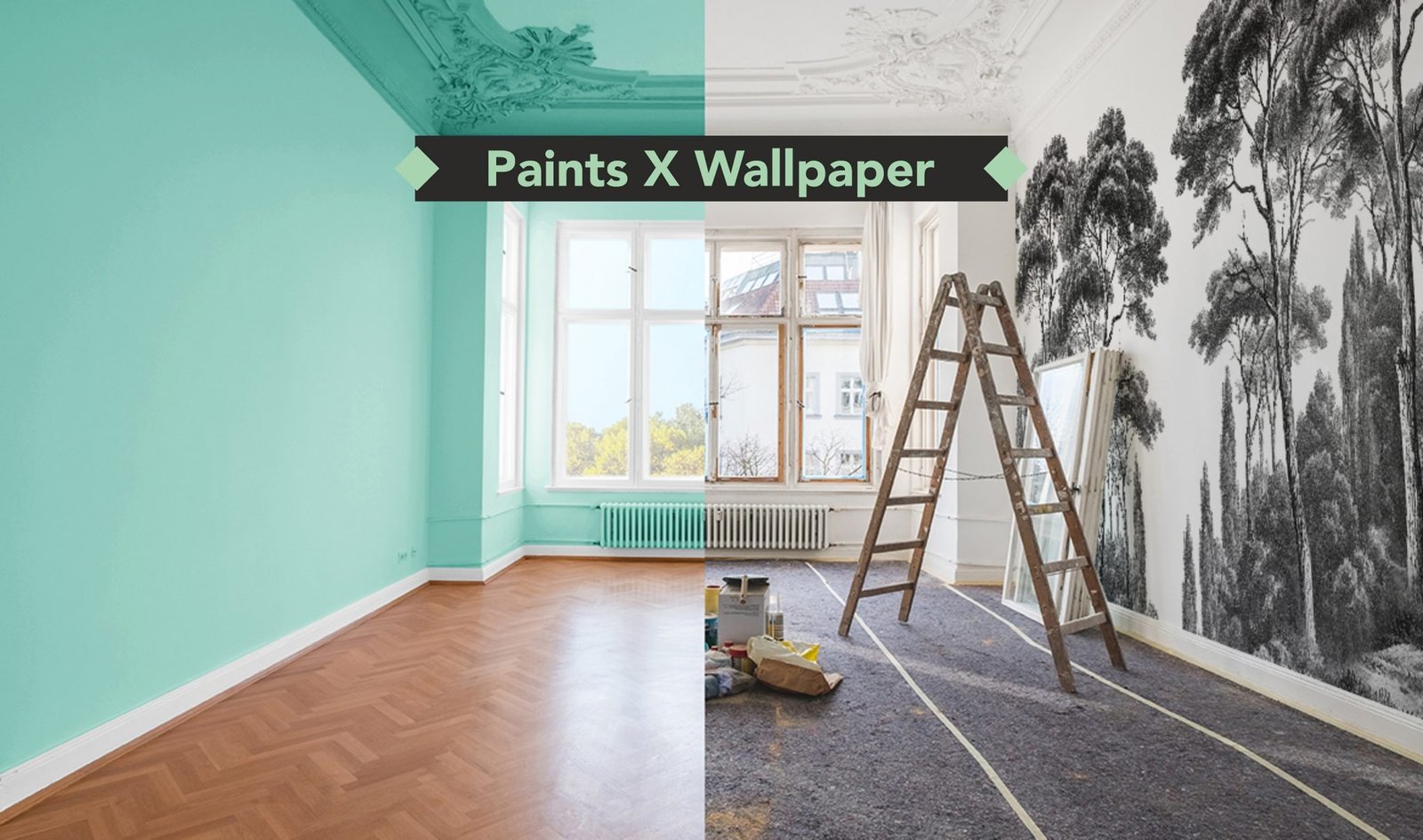
Dubai’s desert climate presents unique challenges for interior design choices, particularly when selecting paint and wallpaper for your property. The extreme heat, high humidity levels, frequent sandstorms, and intense UV exposure create conditions that can quickly deteriorate standard wall coverings. Understanding how Dubai’s climate affects your paint and wallpaper selection is essential for maintaining beautiful, long-lasting interiors.
Understanding Dubai’s Climate Challenges
Dubai’s climate is characterized by scorching summers with temperatures exceeding 45°C, high humidity levels reaching 90%, and year-round exposure to intense UV radiation. These conditions, combined with frequent sandstorms and salt-laden air from the coast, create a harsh environment for interior surfaces.
The extreme temperature fluctuations between air-conditioned interiors and outdoor heat cause materials to expand and contract repeatedly. This thermal stress can lead to paint cracking, peeling, and wallpaper adhesive failure. Additionally, the high humidity levels promote mold growth, while sandstorms introduce fine particles that can damage surface finishes.
Selecting Heat-Resistant Paint for Dubai Homes
When choosing paint for Dubai’s climate, thermal resistance becomes your primary consideration. Acrylic latex paints perform exceptionally well in high-temperature environments, offering superior flexibility that prevents cracking as surfaces expand and contract. These paints maintain their color stability even under intense heat exposure.
Elastomeric paints provide another excellent option, particularly for exterior surfaces. These specialized coatings can stretch up to 600% of their original size, accommodating thermal movement without cracking. For interior walls, consider paints with ceramic or reflective additives that help deflect heat and reduce surface temperatures.
Oil-based paints should be avoided in Dubai’s climate as they become brittle in extreme heat and are more susceptible to cracking and peeling.
Moisture-Resistant Options for High Humidity
Dubai’s coastal location and seasonal humidity spikes demand moisture-resistant wall coverings. Anti-fungal paints containing biocides prevent mold and mildew growth, particularly important in bathrooms, kitchens, and basements where humidity levels are highest.
Epoxy paints offer superior moisture resistance and durability, making them ideal for areas with high humidity exposure. These paints create a non-porous surface that prevents moisture penetration while remaining easy to clean and maintain.
For wallpaper applications, vinyl-backed options provide excellent moisture resistance. These wallpapers feature a waterproof backing that prevents humidity from reaching the adhesive, reducing the risk of peeling and bubble formation.
UV Protection and Color Stability
Dubai’s intense sunlight can fade colors and degrade materials within months. UV-resistant paints formulated with lightfast pigments maintain their appearance longer, preventing the chalky, faded look common in sun-exposed areas.
Ceramic-infused paints reflect UV radiation while providing thermal insulation properties. These advanced formulations can reduce interior temperatures by several degrees, improving comfort while protecting the paint film from UV damage.
When selecting wallpaper for Dubai’s climate, choose fade-resistant materials with UV-protective coatings. Digital prints on high-quality substrates generally offer better color stability than traditional printing methods.
Choosing the Right Wallpaper for Desert Conditions
Wallpaper selection in Dubai requires careful consideration of material durability and installation methods. Vinyl wallpapers perform best in desert climates due to their resistance to temperature fluctuations and moisture. These materials won’t warp, crack, or peel under extreme conditions.
Grasscloth and natural fiber wallpapers, while aesthetically appealing, are generally unsuitable for Dubai’s climate. These materials absorb moisture, attract dust, and can deteriorate rapidly in high humidity conditions.
Non-woven wallpapers offer another excellent option, providing dimensional stability and easy installation. These materials resist tearing and can be removed cleanly when replacement becomes necessary.
Installation Best Practices for Dubai’s Climate
Proper installation techniques are critical for wallpaper longevity in Dubai’s challenging climate. The installation should occur during cooler months when humidity levels are lower, typically between November and March. This timing allows adhesives to cure properly before facing extreme summer conditions.
Surface preparation becomes even more important in Dubai’s climate. Walls must be completely clean, dry, and sealed with appropriate primers before wallpaper application. Any existing moisture or salt deposits can compromise adhesion and lead to premature failure.
Professional installers should use climate-appropriate adhesives specifically formulated for high-temperature, high-humidity conditions. These specialized adhesives maintain their bond strength even under thermal stress.
Maintenance Tips for Long-Lasting Results
Regular maintenance extends the life of your paint and wallpaper in Dubai’s harsh climate. Clean surfaces monthly using appropriate cleaning products to remove dust and salt deposits before they can cause damage.
Monitor your property for signs of moisture intrusion, particularly around windows, doors, and air conditioning units. Address any water damage immediately to prevent mold growth and adhesive failure.
Schedule professional inspections annually to identify potential issues before they become major problems. Early intervention can prevent costly replacements and maintain your property’s appearance.
Complementary Services for Complete Protection
Window film installation works excellently alongside quality paint and wallpaper selection. UV-blocking films reduce heat gain and protect interior surfaces from sun damage, extending the life of your wall coverings.
Proper insulation and vapor barrier installation create stable interior conditions that reduce stress on paint and wallpaper. These services work together to create optimal environmental conditions for your wall coverings.
Regular HVAC maintenance helps maintain consistent indoor humidity levels, preventing the extreme fluctuations that can damage wall coverings. Clean air filters also reduce dust accumulation on surfaces.
Making Smart Choices for Dubai Properties
Investing in quality materials and professional installation pays dividends in Dubai’s climate. While premium paints and wallpapers cost more initially, they often last three times longer than standard options, providing better long-term value.
Consider the specific microclimates within your property when making selections. South-facing rooms receive more intense sun exposure and may require additional UV protection, while basement areas need superior moisture resistance.
Work with suppliers who understand Dubai’s climate challenges and can recommend appropriate products for your specific application. Local experience proves invaluable when selecting materials for desert conditions.
Frequently Asked Questions
Selecting appropriate paint and wallpaper for Dubai’s climate requires understanding the unique challenges posed by extreme heat, humidity, and UV exposure. By choosing thermally stable, moisture-resistant materials and following proper installation procedures, you can maintain beautiful, durable interiors that withstand the desert environment. Consider working with local professionals who understand these climate-specific requirements for the best long-term results.