Your home should be your sanctuary, but did you know that the paint colors on your walls can dramatically influence how you feel every day? The psychology of color in interior design isn’t just a trendy concept – it’s backed by decades of research showing how different hues can boost your energy, calm your mind, or even affect your sleep quality.
In Dubai’s fast-paced lifestyle, where residents often spend long hours indoors to escape the heat, creating the right emotional atmosphere through color becomes even more important. The wrong paint choice might leave you feeling restless in your bedroom or sluggish in your home office.
Understanding Color Psychology Basics
Color psychology studies how different hues affect human behavior, emotions, and mental states. When you walk into a room, your brain processes the colors around you within milliseconds, triggering specific psychological and physiological responses.
Warm colors like reds, oranges, and yellows tend to stimulate energy and create feelings of warmth and comfort. Cool colors such as blues, greens, and purples typically promote calmness and relaxation. Neutral colors like beiges, grays, and whites provide balance and can help other colors in your space feel more harmonious.
Your personal experiences and cultural background also influence how you respond to colors, making it important to consider both scientific findings and your individual preferences when selecting paint colors.
How Different Paint Colors Affect Your Emotions
Red: Energy and Passion
Red increases heart rate and can make you feel more energetic and alert. While it works well in dining rooms to stimulate appetite and conversation, too much red in bedrooms might interfere with sleep.
Blue: Calm and Focus
Blue lowers blood pressure and promotes tranquility. Light blues work beautifully in bedrooms and bathrooms, while deeper blues can help with concentration in home offices.
Green: Balance and Harmony
Green reduces eye strain and creates a sense of balance. It’s perfect for living areas where you want to feel both relaxed and refreshed.
Yellow: Happiness and Creativity
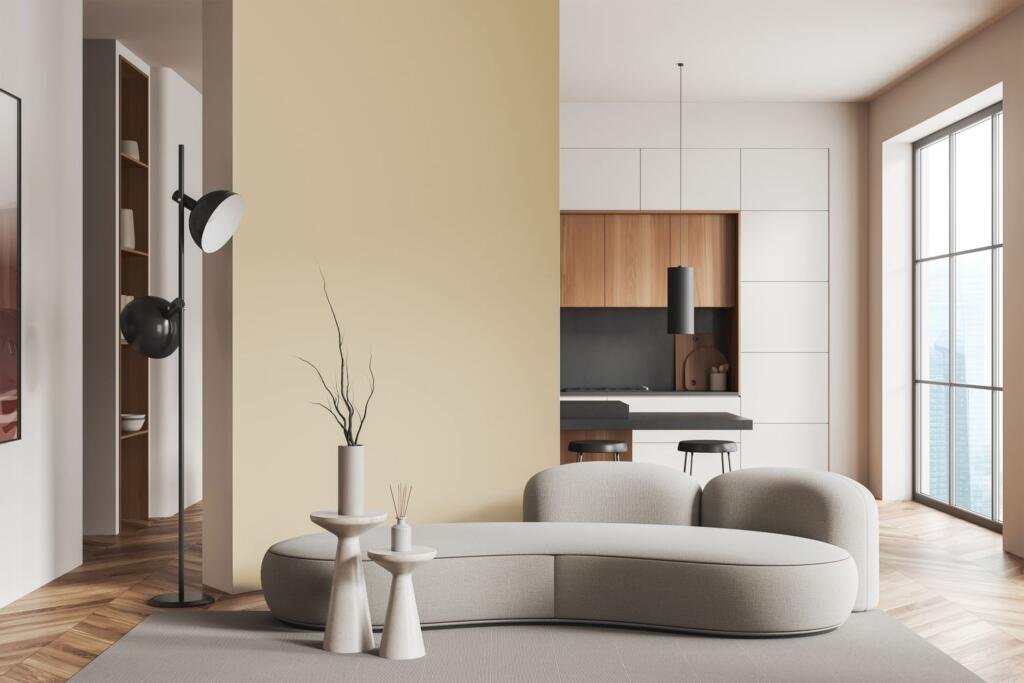
Yellow stimulates mental activity and can boost mood, but bright yellows might cause anxiety if overused. Soft, muted yellows work better for extended exposure.
Purple: Luxury and Contemplation
Purple encourages creativity and introspection. Lighter lavenders promote relaxation, while deeper purples add sophistication to spaces.
Orange: Enthusiasm and Warmth
Orange combines red’s energy with yellow’s cheerfulness. It works well in social spaces but should be used sparingly in bedrooms.
Dubai-Specific Considerations for Interior Paint Color
Heat and Light Management
Dubai’s intense sunlight can fade certain paint colors more quickly than in other climates. Colors with good light-fastness ratings help maintain their psychological benefits longer. Lighter colors also reflect heat, which can help reduce cooling costs.
Cultural Sensitivity
Dubai’s multicultural population brings diverse color preferences and cultural associations. While blue might represent tranquility to some, it could have different meanings for others based on their cultural background.
Indoor Lifestyle Demands
Since residents spend considerable time indoors during summer months, your color choices need to support various activities – from remote work to family time – within the same spaces.
Best Practices for Choosing Mood-Enhancing Paint Colors
Room-by-Room Color Strategy
| Room Type | Recommended Colors | Psychological Benefits |
|---|---|---|
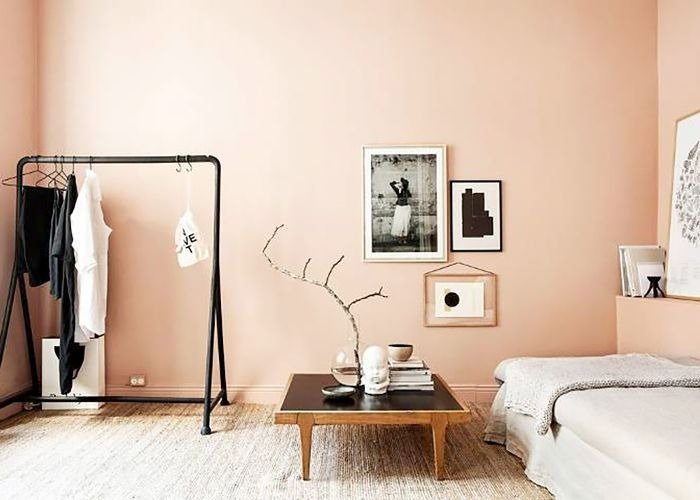
| Bedroom | Soft blues, lavenders, warm grays | Promotes restful sleep and relaxation |
| Living Room | Sage green, warm beiges, soft yellows | Encourages social interaction and comfort |
| Home Office | Light blues, soft greens, cream | Improves focus and reduces stress |
| Kitchen | Warm whites, soft yellows, light greens | Stimulates appetite and creates welcoming atmosphere |
| Bathroom | Light blues, soft greens, whites | Creates spa-like calm and cleanliness feeling |
Testing Colors Before Committing
Paint large samples on different walls and observe them at various times of day. Dubai’s changing light conditions throughout the day can significantly alter how colors appear and feel.
Balancing Bold and Neutral Tones
Use the 60-30-10 rule: 60% neutral base color, 30% secondary color, and 10% accent color. This creates visual harmony while allowing personality to show through.
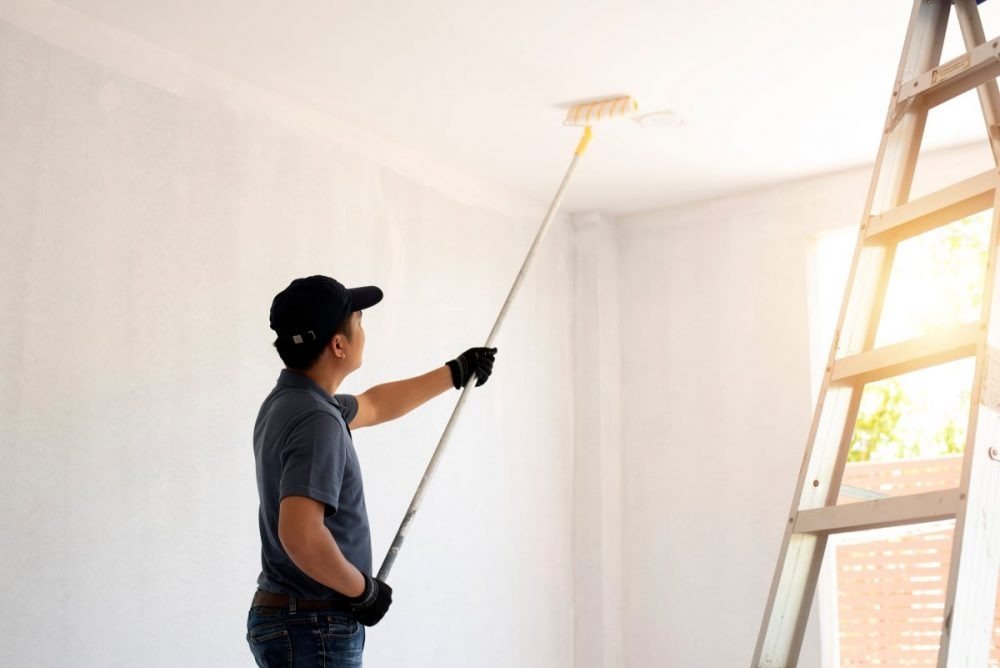
Professional Application Techniques
Surface Preparation in Dubai’s Climate
High humidity levels can affect paint adhesion. Proper surface preparation includes thorough cleaning, priming, and allowing adequate drying time between coats.
Quality Paint Selection
Premium paints with good coverage and durability perform better in Dubai’s challenging climate. Look for paints with mold resistance and good washability for high-humidity areas.
Timing Your Paint Project
Schedule painting during cooler months when humidity is lower, or plan for proper ventilation and climate control during application.
Maintaining Your Color Psychology Benefits
Regular Touch-ups
Dubai’s dust and sun exposure can dull paint colors over time. Regular maintenance keeps colors vibrant and their psychological effects strong.
Coordinating with Lighting
LED lighting with adjustable color temperatures can complement your paint choices throughout the day, maintaining the desired mood even when natural light changes.
Seasonal Adjustments
Consider how your color choices will feel during different seasons. What feels refreshing in summer might feel cold during Dubai’s brief winter months.
Complementary Services for Complete Transformation
Interior paint color selection works best when coordinated with other design elements. Professional color consultations can help you create cohesive schemes that maximize psychological benefits.
Window treatments play a significant role in how paint colors appear throughout the day. The right blinds or curtains can help control light and maintain your desired ambiance.
Lighting design complements your color choices by providing the right illumination to support the mood you want to create in each space.
Making Color Work for Your Lifestyle
Your daily routine should influence your color selections. If you work from home, consider how different colors might affect your productivity and stress levels throughout long work days.
For families with children, think about how colors might influence behavior and mood for different age groups. Softer, calmer colors often work better in shared spaces.
Consider how your color choices will photograph for social media or video calls, as many Dubai residents frequently share their homes online or use them for virtual meetings.
The psychology of color offers powerful tools for creating spaces that support your well-being and lifestyle goals. When you understand how different hues affect your emotions and combine this knowledge with Dubai’s specific environmental considerations, you can transform your home into a space that truly enhances your daily life.
Remember that color psychology provides guidelines, not rigid rules. Your personal preferences and lifestyle needs should ultimately guide your decisions, supported by professional advice when needed.