Understanding Dubai’s Unique Painting Challenges
Dubai’s distinctive climate creates specific challenges for apartment painting that many tenants don’t anticipate. The combination of intense heat, humidity, and occasional sandstorms means paint degrades differently here than in other parts of the world. High-quality paint doesn’t just look better—it performs better in this environment, potentially saving you from disputes when it’s time to move out.
Most Dubai rental agreements require tenants to return properties to their original condition, which typically includes repainting. However, many tenants don’t realize that standard maintenance, painting every 2-3 years, should be the landlord’s responsibility, not yours. Understanding where these responsibilities lie can save you significant expense and stress during your tenancy.
Move-In Painting: What Tenants Should Know
When moving into a new apartment in Dubai, don’t assume fresh paint is a given. Many buildings, especially older ones in areas like Deira or Bur Dubai, might need attention before you settle in. Here’s what to check:
Inspecting Paint Condition Before Signing
Before signing your tenancy contract, carefully examine the walls for:
- Water damage marks – Common in bathrooms and kitchens due to Dubai’s humidity
- Fading or discoloration – Often seen on walls facing windows due to intense UAE sunlight
- Peeling or bubbling – May indicate previous moisture problems
- Uneven patches – Signs of hasty touch-ups before viewings
Document everything with photos and ensure any painting agreements are written into your contract. Many Marina and Downtown Dubai buildings have specific move-in standards, but documentation remains your best protection.
Negotiating Painting Terms
In Dubai’s rental market, painting terms are often negotiable, especially in periods of higher vacancy rates. Consider these approaches:
- Request painting before you move in, rather than a rent reduction—most landlords will find this more acceptable
- Ask for specific areas to be painted rather than the entire apartment
- For longer leases (2+ years), negotiate a mid-lease touch-up for high-traffic areas
- Clarify paint quality specifications—economy paints deteriorate quickly in Dubai’s climate
Move-Out Painting: Protecting Your Deposit
One of the most common deposit disputes in Dubai revolves around painting. Understanding your obligations helps protect your finances when it’s time to move out.
What Dubai Tenancy Laws Require
Despite what some landlords might suggest, Dubai tenancy laws don’t automatically require tenants to repaint the entire apartment when moving out. The actual requirement is to return the property in the same condition as when you moved in, accounting for normal wear and tear.
After two years of normal tenancy, some wall marks and minor scuffs typically fall under “normal wear and tear.” However, significant damage, unauthorized color changes, or DIY painting gone wrong will likely come out of your deposit.
Professional vs. DIY Painting for Move-Out
Many tenants consider DIY painting to save money, but this approach often costs more in the long run:
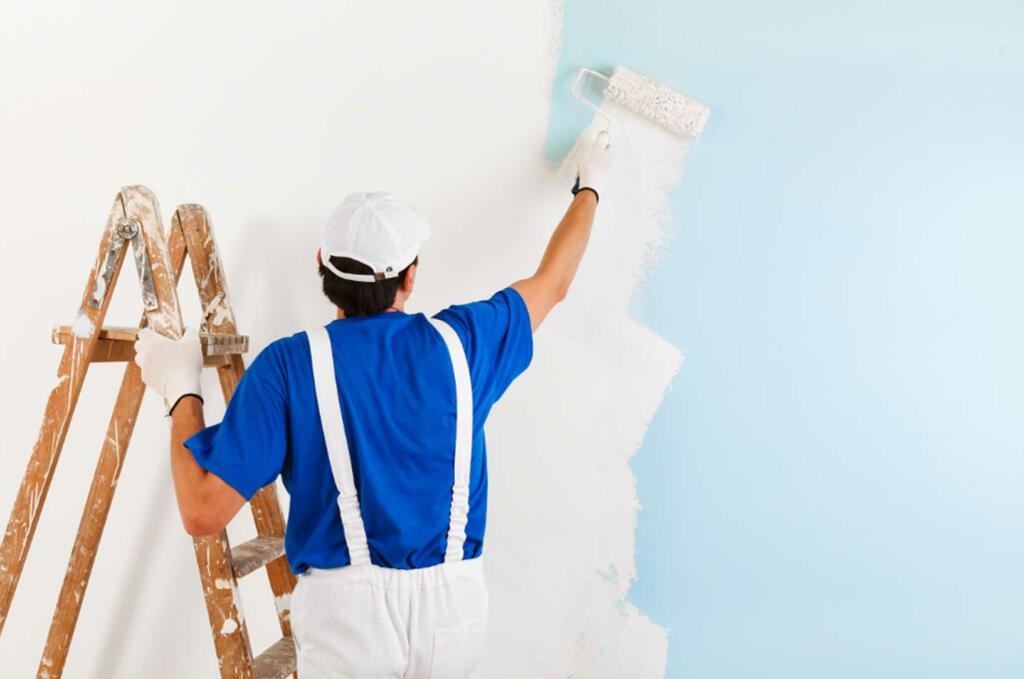
- Professional advantages: Professionals understand Dubai’s climate requirements, have proper equipment for tall walls common in Dubai apartments, and offer finish quality that meets inspection standards
- DIY pitfalls: Improper preparation in Dubai’s dusty environment leads to adhesion problems, standard paints may not hold up to inspection, and landlords can charge premium rates to redo unsatisfactory work
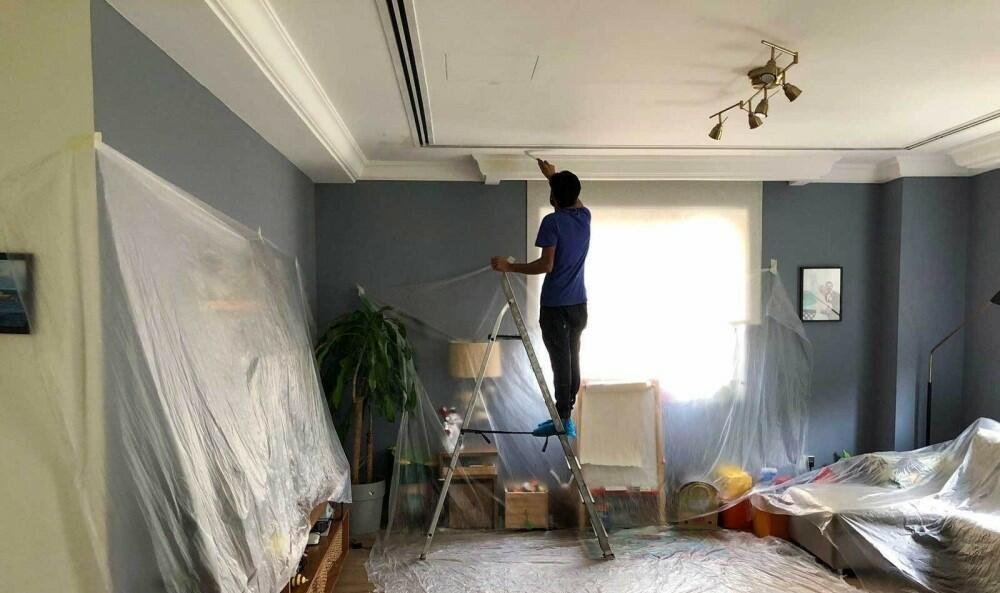
If you still prefer DIY, invest in quality dust sheets (particularly important in Dubai), proper preparation materials, and paint specifically formulated for the region’s climate.
Dubai-Specific Painting Considerations
Climate-Appropriate Paint Selection
Dubai’s environment demands specific paint characteristics:
- Moisture-resistant formulations for bathrooms and kitchens to prevent mold growth common in Dubai’s humidity
- UV-resistant options for rooms with significant sunlight exposure, particularly important in floor-to-ceiling window apartments, common in JLT and Dubai Marina
- Anti-dust formulations that resist the fine desert dust that inevitably makes its way into Dubai homes
Higher-quality paints prove more economical in Dubai’s climate, as they maintain appearance longer and stand up better to cleaning, important for passing move-out inspections.
Timing Your Painting Project
Timing significantly impacts painting results in Dubai:
- Winter months (November-February) offer ideal painting conditions with lower humidity
- Summer painting requires professional-grade dehumidifiers and cooling to ensure proper drying
- Avoid sandstorm seasons (typically March-April) when possible, as airborne particles affect finish quality
Planning around Dubai’s weather patterns improves durability and appearance, potentially saving you from disputes at move-out time.
Common Apartment Painting Mistakes in Dubai
Color Selection Errors
While personal preference matters, Dubai tenants should consider:
- Most tenancy agreements require returning to neutral colors, so dramatic color choices mean guaranteed repainting costs
- Dark colors show dust more readily (a perpetual challenge in Dubai)
- Light, reflective colors can reduce cooling costs in Dubai’s climate
- Building regulations in some communities (like Arabian Ranches or Emirates Living) may restrict certain exterior-facing color choices
Technical Mistakes
Even experienced DIYers make these common mistakes in Dubai’s unique environment:
- Inadequate surface preparation – Dubai’s air contains fine dust that must be thoroughly removed
- Incorrect paint selection – Using non-humidity resistant paint in bathrooms almost guarantees peeling
- Rushing between coats – Dubai’s humidity can extend drying times beyond what the paint can suggest
- Ignoring ventilation – Proper ventilation prevents “baking” of paint in Dubai’s heat while ensuring healthy application
Planning Your Apartment Painting Project
Timeline Considerations
Allow adequate time for a proper painting job:
- A standard 2-bedroom Dubai apartment typically requires 2-3 days for professional painting
- DIY projects often take 4-5 days, accounting for preparation and multiple coats
- Move-out painting should be scheduled at least a week beforethe handover to allow proper inspection time
Materials Checklist for Dubai Conditions
If undertaking the project yourself, prioritize:
- High-quality dust sheets (essential in Dubai)
- Painter’s tape designed for hot climates (standard varieties often fail in Dubai heat)
- Primer specifically rated for high-humidity environments
- Paint with anti-fungal properties for bathrooms and kitchens
- Proper masks and ventilation equipment (particularly important given Dubai’s air conditioning recirculation)
Conclusion: Making Informed Painting Decisions
Understanding Dubai’s specific painting requirements helps tenants make better decisions throughout their lease term. Proper documentation at move-in, awareness of your actual obligations (versus what might be claimed), and knowledge of Dubai’s unique environmental considerations all contribute to protecting your deposit and maintaining a pleasant living environment.
Whether you choose professional services or DIY approaches, planning and using appropriate materials for Dubai’s climate will yield the best results. Remember that quality matters more in this environment than in many others—cutting corners on materials or preparation virtually guarantees problems later.
By approaching apartment painting with these Dubai-specific insights, you’ll navigate move-in and move-out requirements more successfully while potentially saving significant time and money.