Your villa’s exterior looked pristine when you moved in, but after two Dubai summers, the paint is already showing signs of wear. Sound familiar? You’re not alone. The extreme heat, sandstorms, and humidity in the UAE create unique challenges that most homeowners underestimate when planning a painting project.
Understanding what happens from your first consultation call to the final walkthrough can save you time, money, and frustration. Here’s an insider’s look at the professional painting process in Dubai, including the crucial steps many contractors skip – and why that matters for your investment.
The Initial Consultation: More Than Just Getting a Quote
A proper consultation goes far beyond measuring walls and calculating paint quantities. In Dubai’s climate, the stakes are higher, and experienced contractors know this.
The first visit should include a thorough inspection of your property’s current condition. This means checking for hairline cracks that expand rapidly in heat, identifying areas where humidity has caused paint failure, and assessing which surfaces need special preparation.
Most homeowners focus on color selection during consultations, but the real value lies in material recommendations. A good contractor will explain why premium exterior paints with UV resistance cost more upfront but save thousands in repainting costs over five to seven years.
Pay attention to contractors who ask detailed questions about your daily routines. Do you run air conditioning year-round? Are certain rooms exposed to direct sunlight most of the day? These factors directly impact paint performance and application timing.
Pre-Project Preparation: The Foundation of Quality Work
Professional preparation separates lasting results from quick fixes that fail within months.
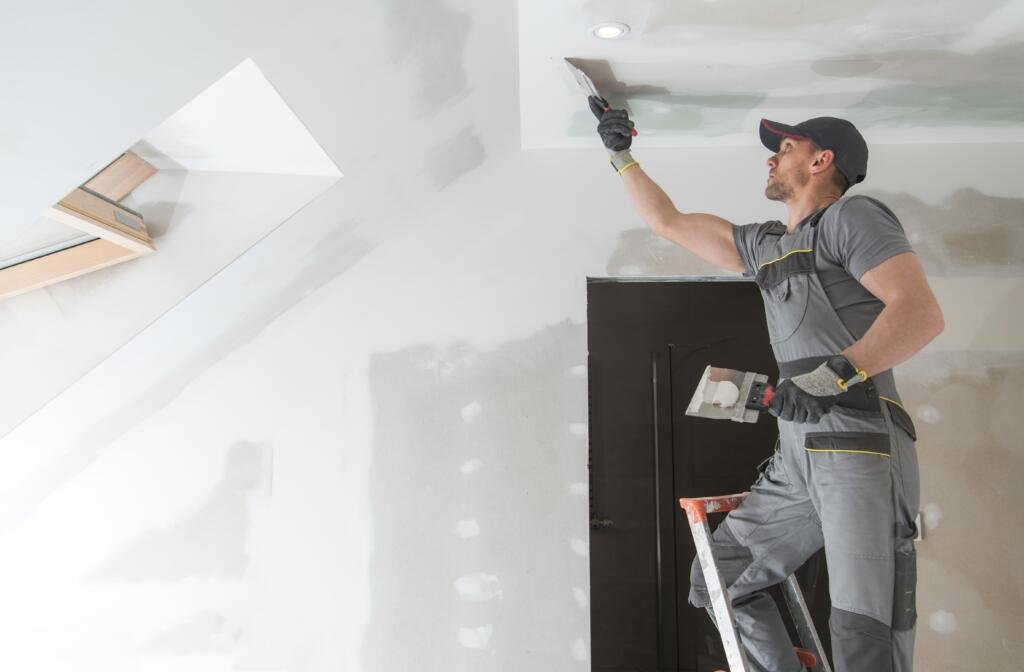
Surface preparation in Dubai requires extra attention to dust and sand accumulation. Even indoor surfaces collect fine particles that must be thoroughly cleaned before priming. Exterior surfaces often need pressure washing, followed by a waiting period to ensure complete drying – something that’s trickier during humid months.
Furniture protection goes beyond basic plastic sheeting. Experienced teams use specialized dust barriers and create negative air pressure in work areas to prevent fine dust from settling on your belongings – particularly important in Dubai’s sandy environment.
Timeline discussions should address seasonal considerations. Smart homeowners schedule exterior work between October and April when temperatures are manageable and humidity is lower. Interior projects can happen year-round, but may take longer during peak summer when drying times extend significantly.
Color Selection and Material Choices That Work in Dubai
Color psychology matters, but in Dubai, physics matters more. Light colors reflect heat and reduce energy costs, while dark colors absorb heat and can cause paint failure on exterior surfaces exposed to direct sunlight.
The most common mistake? Choosing colors based on small samples viewed indoors under artificial light. Colors look dramatically different under Dubai’s intense natural light, and what appears subtle indoors may look washed out or overwhelming on large exterior surfaces.
Quality paint makes an enormous difference in this climate. Look for paints with high titanium dioxide content for better UV protection, and alkyd-modified latex formulations that handle thermal expansion better than standard latex paints.
For interiors, consider that Dubai’s hard water can affect paint adhesion over time, especially in bathrooms and kitchens. Premium paints with better moisture resistance prevent the peeling and bubbling issues common in high-humidity areas.
The Painting Process: What Professional Application Looks Like
Professional application follows specific sequences designed for Dubai’s conditions.
Morning preparation starts early – often by 6 AM during summer months – to take advantage of cooler temperatures and lower humidity. This isn’t just about worker comfort; paint applies more evenly and adheres better under optimal conditions.
The primer application receives special attention on exterior surfaces. In Dubai’s climate, primer isn’t optional – it’s essential for proper adhesion and longevity. Quality contractors use specialized primers designed for high-temperature applications and allow full curing time between coats.
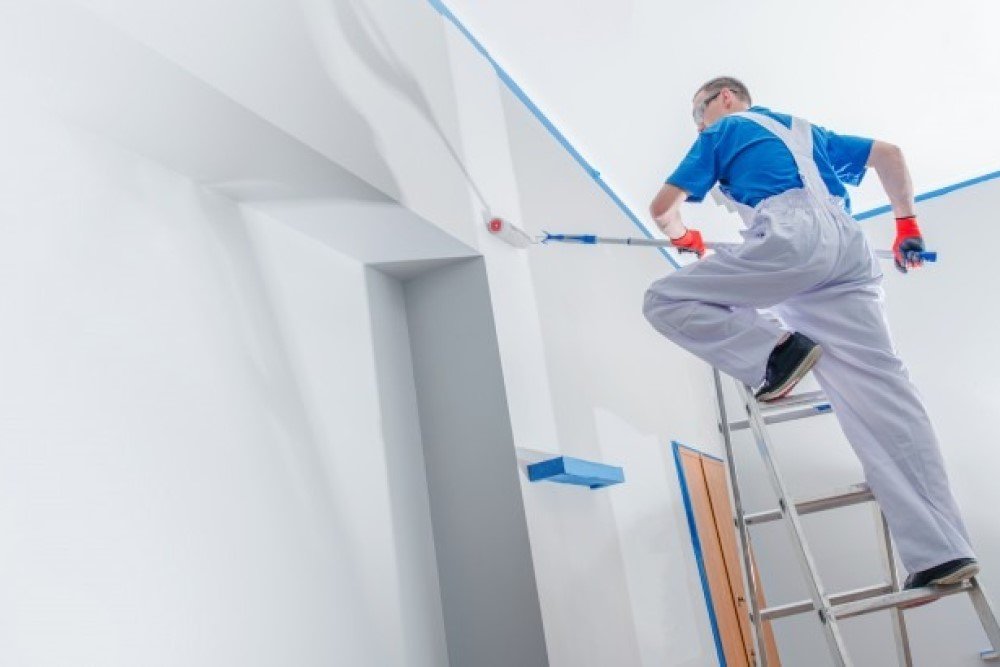
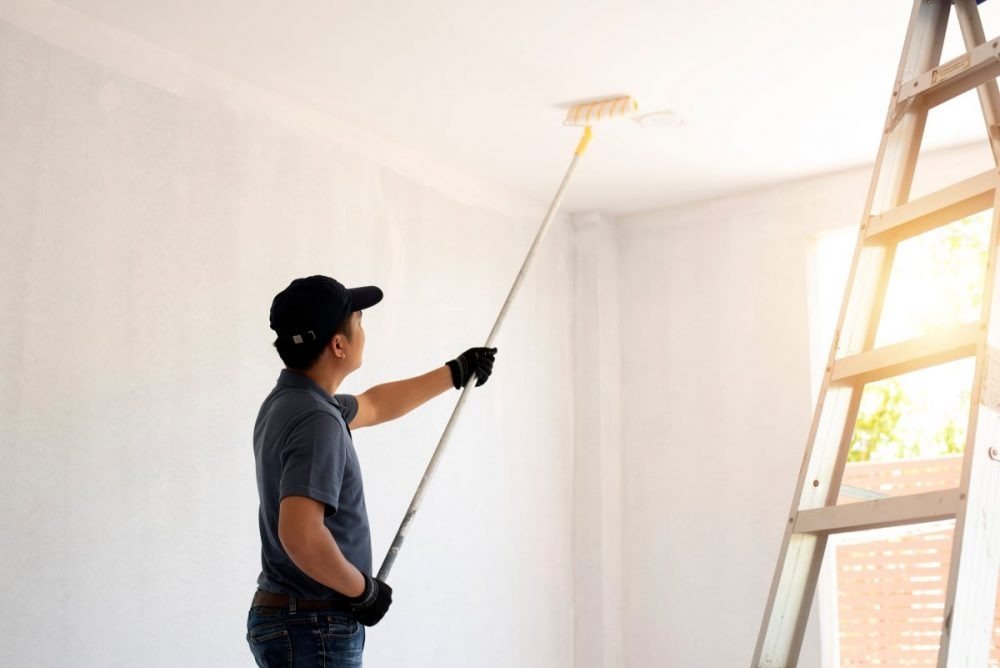
The actual painting process involves multiple thin coats rather than fewer thick applications. This technique prevents the sagging and uneven coverage that occurs when thick paint layers struggle to dry properly in humid conditions.
Quality Control and Inspection: Ensuring Long-term Results
Professional painting service providers in Dubai implement quality checks at each stage, not just at the end.
Daily inspections catch issues while they’re still correctable. This includes checking for uniform coverage, identifying areas where dust or sand may have contaminated wet paint, and ensuring proper adhesion on challenging surfaces.
The biggest oversight most contractors make? Skipping the final inspection during different lighting conditions. Paint that looks perfect under morning light may reveal streaks or missed spots under afternoon sun or artificial lighting.
Temperature and humidity monitoring throughout the project ensures optimal application conditions. Professional teams use digital hygrometers and infrared thermometers to verify surface temperatures are within manufacturer specifications.
Post-Completion Care and Maintenance Guidance
Your painting project doesn’t end when the last brush stroke dries. Understanding proper care extends your investment significantly.
Curing time in Dubai’s climate varies dramatically by season. Summer applications may need up to 30 days for full cure, while winter projects cure faster. During this period, avoid aggressive cleaning or placing objects against freshly painted surfaces.
Regular maintenance becomes crucial given Dubai’s harsh conditions. Monthly gentle washing of exterior surfaces removes salt and sand buildup that gradually degrades paint films. Interior surfaces benefit from quarterly cleaning with pH-neutral cleaners that won’t strip protective coatings.
Most paint failures in Dubai result from inadequate surface preparation or using inappropriate materials for local conditions. A properly executed paint job should last 5-7 years on exteriors and 8-10 years on interiors before needing renewal.
Red Flags to Watch For During Your Project
Several warning signs indicate you’re not getting professional service.
Contractors who start work during peak heat hours (11 AM to 4 PM in summer) are prioritizing speed over quality. Paint applied during these conditions rarely adheres properly or provides expected durability.
Surface preparation shortcuts become obvious quickly. If your contractor doesn’t spend significant time cleaning and preparing surfaces – especially exteriors that have been exposed to sandstorms – the results won’t last.
Material substitutions without discussion suggest cost-cutting at your expense. Professional contractors explain why specific products work better in Dubai’s climate and get approval before making changes.
Making Your Investment Last in Dubai’s Climate
The difference between a paint job that lasts two years and one that lasts seven often comes down to details most homeowners never see.
Proper surface preparation, quality materials matched to local conditions, and application techniques adapted for extreme temperatures create the foundation for long-term success.
Understanding this process helps you evaluate contractors more effectively and set realistic expectations for your project. The best painting service in Dubai combines technical expertise with local climate knowledge to deliver results that protect and enhance your property investment.
Consider creating a simple maintenance schedule based on your contractor’s specific recommendations. Regular upkeep prevents small issues from becoming expensive problems and keeps your painted surfaces looking fresh between major renewals.