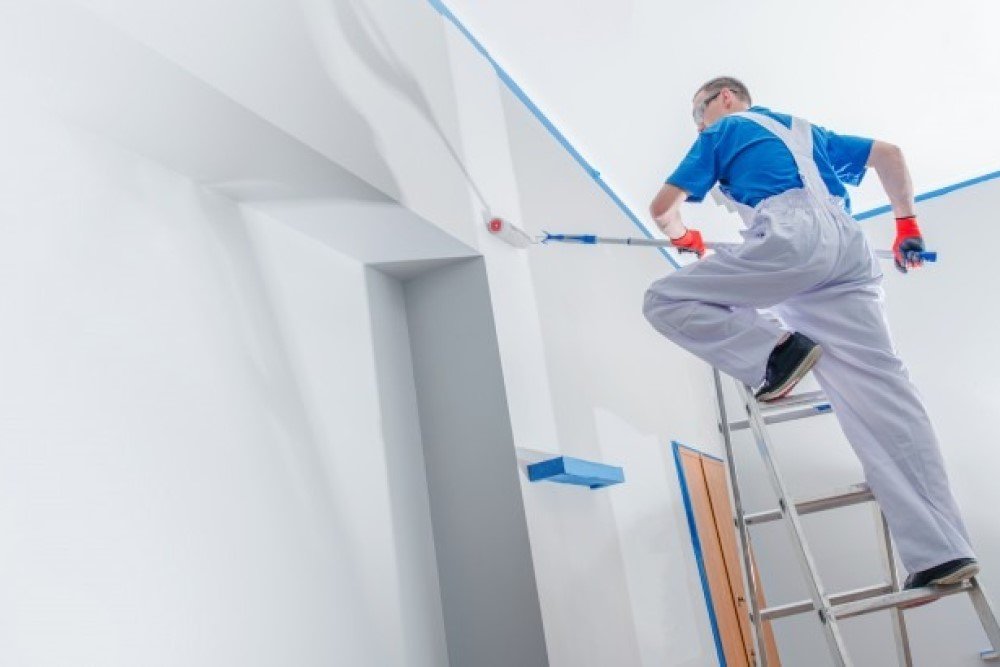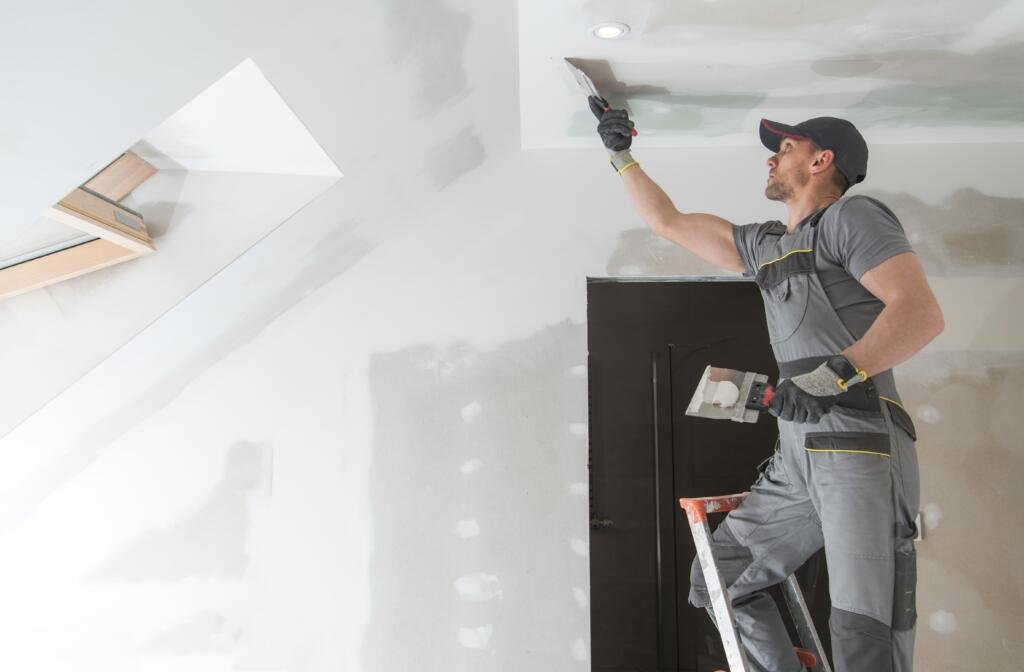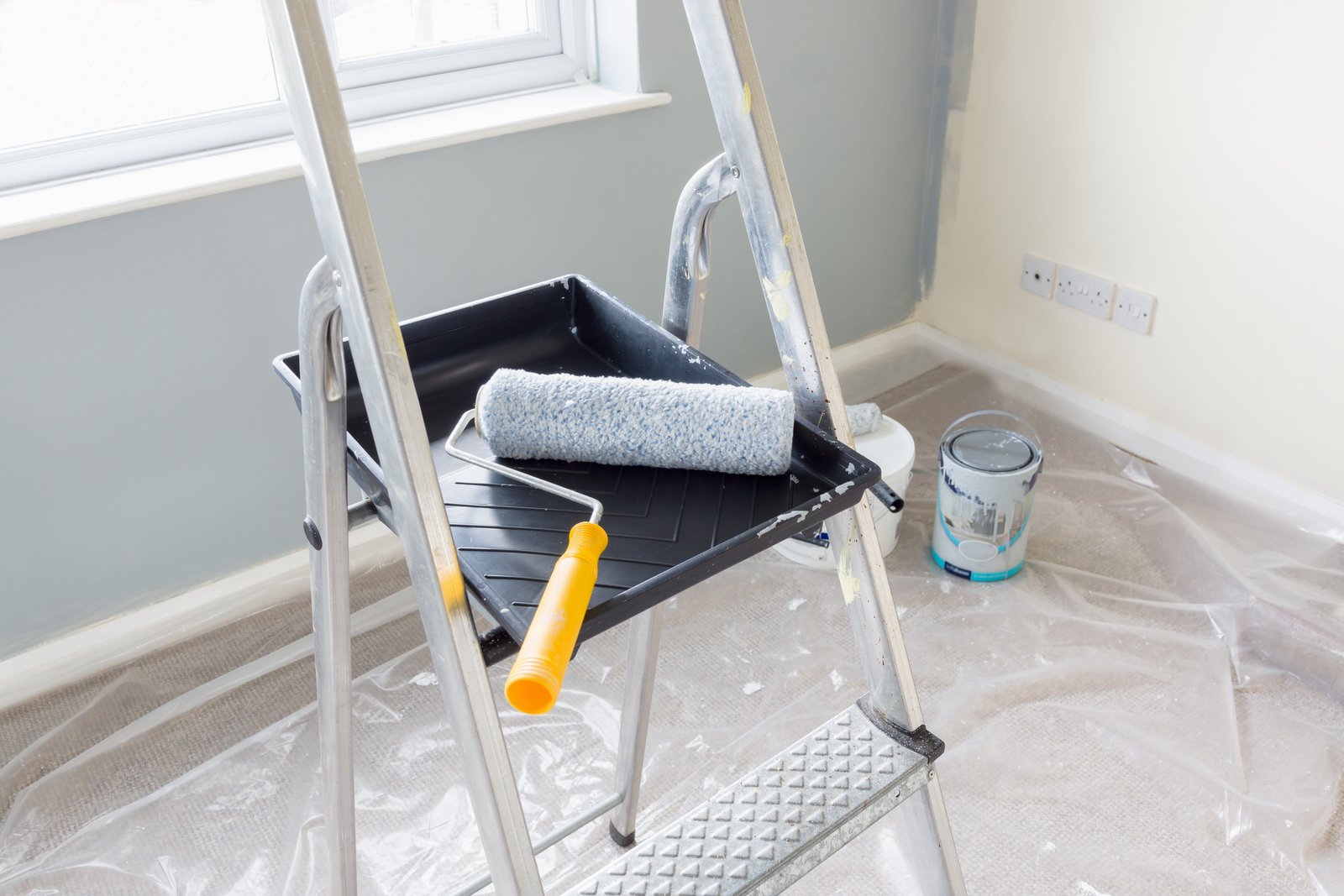
Painting in Dubai comes with unique challenges that many property owners underestimate. The emirate’s extreme climate, architectural styles, and lifestyle demands require a different approach than painting in temperate climates. Whether you’re refreshing your villa in Jumeirah or maintaining a commercial property in Business Bay, avoiding these common painting mistakes will save you time, money, and frustration.
Understanding Dubai’s Challenging Environment
Dubai’s harsh climate creates the perfect storm for painting problems. With temperatures soaring above 45°C in summer, humidity levels fluctuating dramatically, and constant sandstorms depositing fine dust everywhere, your paint job faces conditions that would challenge even the most experienced professionals. Add to this the prevalence of concrete and steel construction, and you have a recipe for potential painting disasters if proper techniques aren’t followed.
The Top 10 Painting Mistakes to Avoid in Dubai
1. Ignoring Surface Preparation in Dusty Conditions
The biggest mistake property owners make is rushing into painting without proper surface preparation. Dubai’s constant dust accumulation means surfaces need thorough cleaning before any paint touches them. Skipping this step results in poor adhesion, bubbling, and premature peeling.
Best Practice: Clean all surfaces with TSP (trisodium phosphate) solution, rinse thoroughly, and allow complete drying. For exterior work, schedule cleaning just before painting to minimize dust reaccumulation.
2. Choosing the Wrong Paint Type for Extreme Heat
Many people select paint based on aesthetics alone, ignoring Dubai’s scorching temperatures. Standard paints can crack, fade, or become chalky within months when exposed to intense UV rays and heat.
Solution: Invest in high-quality, heat-resistant paints specifically formulated for extreme climates. Elastomeric paints work exceptionally well for exterior concrete surfaces, while ceramic-based paints offer superior heat reflection.
3. Painting During Peak Summer Hours
Working during Dubai’s hottest hours (10 AM to 4 PM) causes paint to dry too quickly, leading to brush marks, lap marks, and poor leveling. The rapid evaporation prevents proper film formation.
Timing Strategy: Schedule painting for early morning (6-10 AM) or late afternoon (4-7 PM). For interior work, ensure adequate air conditioning to maintain consistent temperatures.
4. Inadequate Priming on Concrete Surfaces
Dubai’s construction heavily features concrete and masonry, which are highly alkaline and porous. Skipping primer or using the wrong type leads to paint failure, efflorescence, and color inconsistencies.
Proper Approach: Always use alkali-resistant primers on masonry surfaces. For new concrete, allow proper curing time and apply a high-build primer to seal porous surfaces effectively.
5. Overlooking Moisture and Humidity Issues
Dubai’s humidity can be deceptive. While it feels dry, morning dew and occasional high humidity can cause moisture problems. Painting over damp surfaces traps moisture, leading to blistering and mold growth.
Prevention Method: Use a moisture meter to check surface moisture levels. Never paint when humidity exceeds 85% or when surfaces show any signs of dampness.
6. Using Inappropriate Tools for Sandy Conditions
Standard brushes and rollers quickly become clogged with sand particles in Dubai’s environment. This leads to uneven coverage and a gritty finish that’s both unsightly and difficult to clean.
Equipment Selection: Use high-quality synthetic brushes and microfiber rollers that resist sand accumulation. Clean tools frequently during application and consider airless spraying for large exterior projects.
7. Neglecting Proper Ventilation During Interior Painting
Dubai’s sealed buildings with constant air conditioning create unique ventilation challenges. Poor air circulation during painting can lead to solvent buildup, extended drying times, and inconsistent finishes.
Ventilation Strategy: Maintain adequate air circulation without creating drafts that could disturb wet paint. Use fans positioned to move air parallel to painted surfaces, not directly at them.
8. Applying Insufficient Coats for UV Protection
Dubai’s intense sunlight requires more protection than most climates. Skimping on the number of coats, especially for exterior surfaces, results in rapid degradation and frequent repainting needs.
Coverage Guidelines: Apply a minimum of two coats for interior surfaces and three coats for exteriors. For south-facing walls, consider an additional coat for maximum UV protection.
9. Ignoring Color Selection for Heat Management
Dark colors absorb significantly more heat in Dubai’s climate, leading to surface temperatures that can exceed 70°C. This extreme heat accelerates paint degradation and increases cooling costs.
Color Strategy: Choose lighter colors for exterior surfaces, especially roofs and south-facing walls. If darker colors are desired, select paints with high solar reflectance indexes (SRI).
10. Inadequate Caulking and Sealing
Dubai’s temperature fluctuations cause significant expansion and contraction of building materials. Failing to properly seal joints and cracks before painting allows moisture intrusion and creates unsightly gaps as materials move.
Sealing Process: Use high-quality, paintable sealants rated for extreme temperatures. Pay special attention to window frames, door casings, and any joints between different materials.
Best Practices for Dubai Painting Projects
Seasonal Planning
The best time for exterior painting in Dubai is during the cooler months (November through March). Interior work can be done year-round with proper climate control.
Material Storage
Store paints and materials in climate-controlled environments. Dubai’s heat can alter paint consistency and reduce shelf life significantly.
Professional Considerations
Large commercial projects or complex residential work often benefit from professional expertise. Experienced painters understand local conditions and have access to specialized equipment for Dubai’s challenging environment.
Complementary Services for Complete Property Care
Successful painting projects in Dubai often require additional services for optimal results:
- Pressure washing before painting to remove embedded dust and pollutants
- Waterproofing treatments for areas prone to moisture exposure
- Insulation upgrades to reduce thermal stress on painted surfaces
- Regular maintenance programs to extend paint life in harsh conditions
Maintaining Your Paint Job in Dubai’s Climate
Once your painting project is complete, proper maintenance ensures longevity:
- Regular cleaning with mild detergent solutions to remove dust buildup
- Annual inspections for signs of wear, especially on exterior surfaces
- Touch-up work on minor chips or scratches before they become larger problems
- Scheduled repainting every 5-7 years for exteriors, 7-10 years for interiors
Conclusion
Avoiding these common painting mistakes in Dubai requires understanding the unique challenges posed by the local climate and construction methods. Proper preparation, appropriate materials, and correct timing are essential for achieving professional results that withstand Dubai’s demanding environment. While the initial investment in quality materials and proper techniques may seem higher, the long-term savings in maintenance and repainting costs make it worthwhile.
Remember that successful painting in Dubai is about more than just applying color to surfaces—it’s about creating a protective barrier that preserves and enhances your property’s value while standing up to one of the world’s most challenging climates.