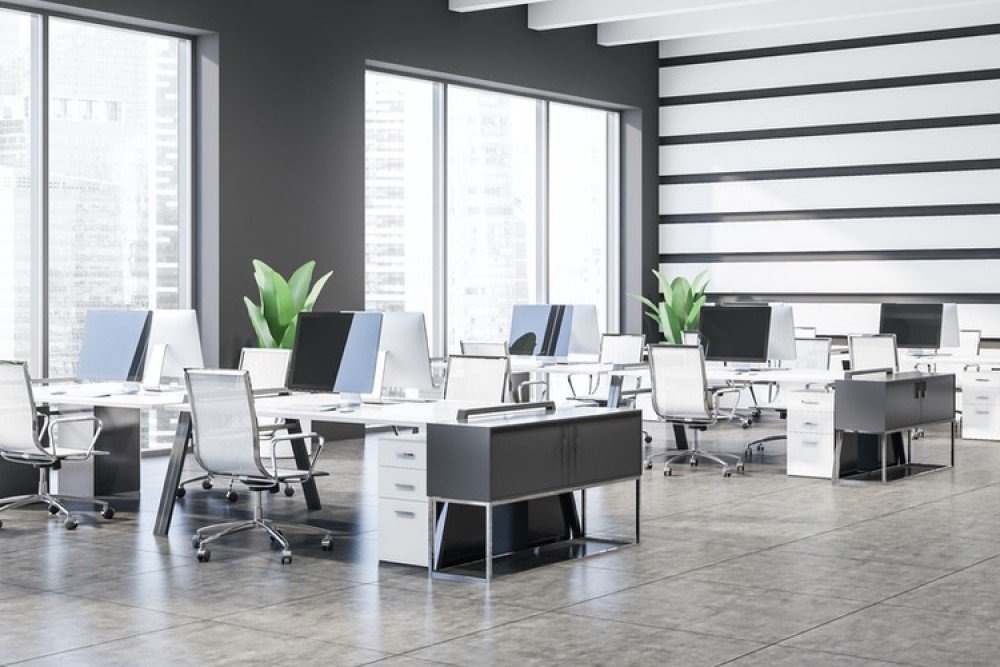
In Dubai’s rapidly evolving commercial landscape, office aesthetics are crucial in creating productive work environments. However, with the growing emphasis on sustainability across the UAE, many businesses are now looking beyond just appearance when renovating their workspaces. Eco-friendly office painting has emerged as a significant consideration for companies aiming to reduce their environmental footprint while maintaining professional standards.
Why Dubai Offices Need Sustainable Painting Solutions
Dubai’s unique climate presents specific challenges for interior painting projects. With temperatures frequently exceeding 40°C and high humidity levels during certain months, traditional paints can deteriorate faster than in more temperate regions. This often leads to more frequent repainting cycles, increasing costs and environmental impact.
Additionally, Dubai’s enclosed office environments, heavily dependent on air conditioning, can trap volatile organic compounds (VOCs) from conventional paints. These compounds continue to off-gas for years after application, potentially affecting indoor air quality and employee health.
Understanding Eco-Friendly Paint Options for Dubai Office Spaces
Low-VOC and Zero-VOC Paints
Traditional paints contain high levels of volatile organic compounds that evaporate at room temperature, releasing harmful chemicals into the air. For Dubai offices with centralized HVAC systems, this is particularly problematic.
Low-VOC paints contain less than 50 grams of VOCs per liter, while zero-VOC options contain less than 5 grams per liter. These paints significantly reduce indoor air pollution and minimize the “new paint smell” that can disrupt office operations. In Dubai’s climate, where windows often remain closed, this difference is substantial.
What many don’t realize is that low-VOC paints have dramatically improved in recent years. The latest formulations offer durability and color retention comparable to conventional alternatives, even in Dubai’s challenging climate conditions.
Natural and Mineral-Based Paints
For offices pursuing the highest environmental standards, natural paints derived from plant oils, minerals, and other natural ingredients offer excellent sustainability credentials. These paints are biodegradable and renewable, with minimal processing required in their production.
Clay-based and lime-based paints work particularly well in Dubai’s climate, as they provide natural moisture regulation properties that can complement office air conditioning systems. They’re especially suitable for offices housed in older buildings throughout areas like Deira or Bur Dubai.
Water-Based Acrylic Paints
Water-based acrylic paints have become a popular middle-ground option. They use water rather than petroleum-based solvents as their carrier, significantly reducing VOC emissions. Their quick drying time is advantageous in Dubai’s commercial environments, where minimizing business disruption is crucial.
Dubai-Specific Considerations for Office Painting Projects
Climate Adaptation
Dubai’s intense heat and occasional extreme humidity require specially formulated paints. Look for products with UV-resistant properties to prevent premature fading, especially in offices with large windows or glass facades common in areas like Business Bay or DIFC.
Heat-reflective paints can also contribute to energy efficiency by reducing the absorption of solar heat through walls. This can complement your office’s cooling system, potentially reducing energy consumption—an important consideration given Dubai’s high air conditioning demands.
Local Sustainability Standards
Dubai has increasingly stringent green building standards. Many commercial buildings now seek LEED certification or compliance with Dubai Municipality’s Al Sa’fat green building rating system. Using eco-friendly paints can contribute valuable points toward these certifications.
The Dubai Clean Energy Strategy 2050 also encourages businesses to adopt sustainable practices. Office painting projects that utilize eco-friendly materials align with these broader government initiatives and demonstrate corporate environmental responsibility.
Common Mistakes in Office Painting Projects
Overlooking Proper Surface Preparation
Even the highest quality eco-friendly paint will fail prematurely if applied to poorly prepared surfaces. Dubai’s dusty environment makes thorough cleaning essential before painting. The fine sand and dust particles that infiltrate even the most sealed office buildings can prevent proper paint adhesion if not addressed.
Many renovation projects rush through preparation to minimize business disruption, but this false economy leads to quicker deterioration and more frequent repainting, ultimately increasing environmental impact and costs.
Ignoring Complementary Eco-Materials
Sustainable office painting extends beyond just the paint. Primers, fillers, and cleanup materials should also meet eco-friendly standards. Water-based primers complement low-VOC paints, while natural fillers provide consistent environmental performance across the project.
Dubai offices often have complex HVAC systems that can be affected by painting projects. Using eco-friendly materials throughout the process helps maintain indoor air quality during and after the renovation.
Focusing Only on Initial Cost
The price difference between conventional and eco-friendly paints has narrowed considerably, yet many office renovation projects still default to conventional options based solely on initial cost comparisons.
A more comprehensive approach considers longevity, maintenance requirements, and potential health benefits. Premium eco-friendly paints often offer superior coverage, requiring fewer coats and less labor. They may also necessitate less frequent repainting, providing better long-term value despite a marginally higher upfront cost.
Best Practices for Eco-Friendly Office Painting in Dubai
Schedule Around Occupancy
Where possible, schedule painting during weekends or low-occupancy periods. This allows maximum ventilation time before employees return to work. Dubai’s office buildings vary widely in their ventilation capabilities, but even in the most modern facilities, at least 24-48 hours of ventilation helps disperse any remaining low-level emissions.
Consider the Complete Color Lifecycle
Trendy colors may seem appealing during renovation, but neutral, timeless colors require less frequent updating. This reduces the material consumption and environmental impact of repainting. Consider Dubai’s abundant natural light when selecting colors—many offices in newer areas like Downtown Dubai and Dubai Marina receive significant sunlight, which affects how colors appear throughout the day.
Proper Disposal of Materials
Environmentally responsible painting extends to the disposal of leftovers. Dubai Municipality has specific guidelines for disposing of paint containers and unused paint. Water-based paints should be allowed to dry completely before disposal, while unused eco-friendly paint can often be donated to community projects or schools.
The Future of Sustainable Office Painting in Dubai
With Dubai’s push toward becoming one of the world’s most sustainable cities by 2050, commercial painting practices will continue evolving. Emerging technologies like air-purifying paints that actively remove pollutants from indoor air are beginning to enter the market and may become mainstream options for Dubai offices in the coming years.
Innovations in heat-reflective properties are particularly relevant to Dubai’s climate challenges and will likely see increased adoption as businesses seek to reduce cooling costs while meeting sustainability goals.
Conclusion: Making Informed Decisions for Your Office
Eco-friendly painting for Dubai offices goes beyond simply choosing a product labeled “green.” It requires understanding your specific building conditions, occupancy patterns, and sustainability goals. By considering the complete environmental impact—from manufacturing and application to longevity and disposal—businesses can make truly sustainable choices.
The most successful office painting projects balance immediate aesthetic goals with long-term sustainability, creating workspaces that are not only visually appealing but also healthier for occupants and less harmful to the environment.